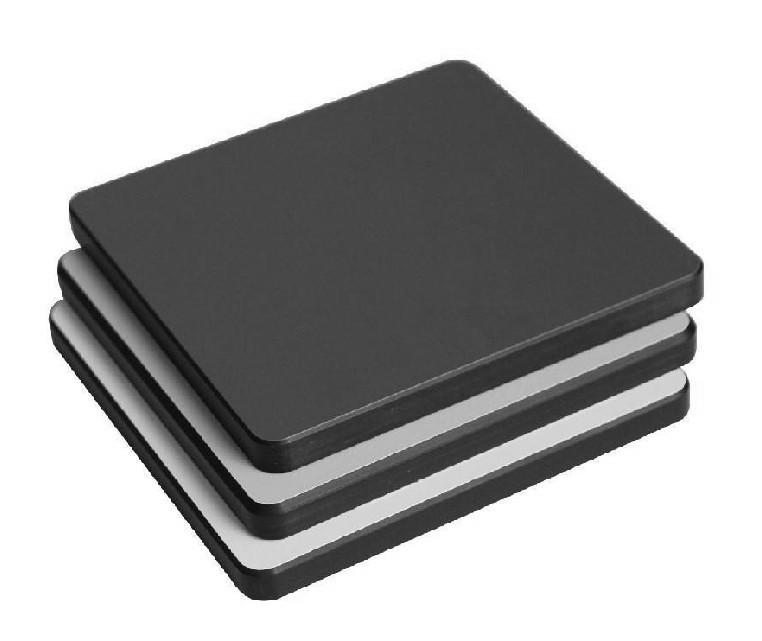
Advantages of Compact HPL 12mm:
✅ 12mm thickened and dense core layer
Using the exclusive high-density compression technology, the density of the core layer is as high as 1600kg/m³, far exceeding that of ordinary HPL sheets (6-8mm). The compressive strength is increased by more than 50%, perfectly supporting high-load scenarios such as heavy furniture and commercial counters.
✅ Double upgrade of impact resistance and deformation resistance
The thickened structure endows the sheet with extremely strong impact resistance (tested and passed according to ASTM D256 standard), enabling it to resist the falling of heavy objects or external impacts. At the same time, it achieves an almost zero shrinkage and expansion rate (≤0.08%), adapting to the temperature difference environment from -30°C to 80°C, and completely preventing cracking and warping.
✅ Extra-long lifespan and better cost performance
The thickness of the wear-resistant layer of the 12mm thick sheet reaches 0.8mm (AC5 wear resistance grade), and the service life can be up to more than 20 years. It is suitable for high-traffic areas such as airports, hospitals, and shopping malls, greatly reducing the later maintenance costs.
Compact HPL 12mm Application Scenarios:
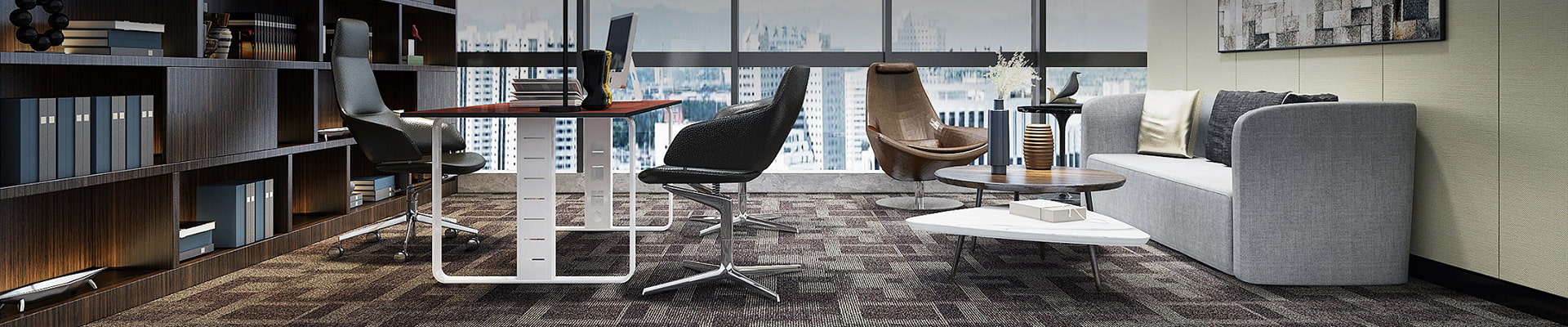
Heavy-duty Countertops/Counters: The 12mm thickness provides excellent load-bearing stability, without fear of placing equipment or frequent operations.
Outdoor Building Facades: The dense core layer blocks water penetration. It will not become brittle in extremely cold temperatures of -30°C and will not deform under intense sunlight at 80°C.
Acoustic Partition Walls: The thickened structure can effectively reduce noise by 30dB, creating a quiet office or commercial space.
Why Choose 12mm Compact HPL?
Changzhou Yaming Wood Industry ensures uniform density and flawless quality of the sheets through a vertical integrated production line. The thickness error of the 12mm sheets is strictly controlled within ±0.2mm, and it has passed the ISO 4586 international HPL standard certification. The Navy Blue solid color surface layer is coated with a nano anti-fouling layer. Even on the thickened sheets, it still maintains a seamless integrated effect, taking into account both aesthetic and functional revolutions.
Care & Maintenance
Cleaning Tips for Laminate: To clean the surface, use a damp cloth or sponge and a mild soap or detergent. Rinse thoroughly with warm water and wipe dry. Difficult stains such as coffee or tea can be removed using a mild household cleaner and baking soda; mixing to achieve a paste consistency. Use a stiff nylon bristle brush, scrubbing (approx. 15-20 strokes) the affected area. Do not scrub so as to mar (damage, scratch) the surface finish. Stubborn stains that resist any of the above cleaning methods may require the use of undiluted household bleach or nail polish remover. Use a cotton ball saturated with bleach or nail polish remover (acetone), gently rub the stain for up to two minutes. Rinse thoroughly with warm water and wipe dry using a soft cloth. This step may be repeated if the stain appears to be going away and the color of the laminate has not been affected.
Warning
Prolonged exposure of the laminate surface to bleach will cause discoloration. Always rinse laminate surfaces after cleaning! Failure to rinse after cleaning can cause damage; even if a small amount of cleaning solution remains on the surface. A dry residue may be invisible; however, moisture from cups or drinks can reactivate it, and result in permanently etched scars or stains over time. Hot pans and heat-producing appliances (such as electric skillets), when set directly upon countertops, can mar the product's beauty. Always use a heat shield, hot pad or trivet.
A Few Notes of Caution
Acidic or abrasive cleaners can damage laminate surfaces; do not use them. Drain cleaners containing lye will permanently damage the laminate surface. If you spill a drain cleaner, wipe it up immediately and rinse several times with water. Hair, textile and food dyes can cause permanent stains. If dye should happen to spill, wipe it up immediately with dishwashing detergent or an all-purpose cleaner. Do not work with oven cleaners on an unprotected countertop. Wipe spills away promptly and rinse several times with water. Rust removers contain harsh chemicals, which will quickly cause permanent damage. If a spill occurs, wipe off all residue immediately, wash thoroughly with soapy water and rinse several times. Steel wool and other abrasive pads will damage the laminate face. Do not use them for cleaning and don’t store steel wool pads on your countertop; the metal can rust and leave stains. Toilet bowl cleaners contain harsh chemicals that can cause permanent damage. If spills occur, wipe up immediately, wash surface with soapy water and rinse several times
nance
Cleaning Tips for Laminate: To clean the surface, use a damp cloth or sponge and a mild soap or detergent. Rinse thoroughly with warm water and wipe dry. Difficult stains such as coffee or tea can be removed using a mild household cleaner and baking soda; mixing to achieve a paste consistency. Use a stiff nylon bristle brush, scrubbing (approx. 15-20 strokes) the affected area. Do not scrub so as to mar (damage, scratch) the surface finish. Stubborn stains that resist any of the above cleaning methods may require the use of undiluted household bleach or nail polish remover. Use a cotton ball saturated with bleach or nail polish remover (acetone), gently rub the stain for up to two minutes. Rinse thoroughly with warm water and wipe dry using a soft cloth. This step may be repeated if the stain appears to be going away and the color of the laminate has not been affected.
Warning
Prolonged exposure of the laminate surface to bleach will cause discoloration. Always rinse laminate surfaces after cleaning! Failure to rinse after cleaning can cause damage; even if a small amount of cleaning solution remains on the surface. A dry residue may be invisible; however, moisture from cups or drinks can reactivate it, and result in permanently etched scars or stains over time. Hot pans and heat-producing appliances (such as electric skillets), when set directly upon countertops, can mar the product's beauty. Always use a heat shield, hot pad or trivet.
A Few Notes of Caution
Acidic or abrasive cleaners can damage laminate surfaces; do not use them. Drain cleaners containing lye will permanently damage the laminate surface. If you spill a drain cleaner, wipe it up immediately and rinse several times with water. Hair, textile and food dyes can cause permanent stains. If dye should happen to spill, wipe it up immediately with dishwashing detergent or an all-purpose cleaner. Do not work with oven cleaners on an unprotected countertop. Wipe spills away promptly and rinse several times with water. Rust removers contain harsh chemicals, which will quickly cause permanent damage. If a spill occurs, wipe off all residue immediately, wash thoroughly with soapy water and rinse several times. Steel wool and other abrasive pads will damage the laminate face. Do not use them for cleaning and don’t store steel wool pads on your countertop; the metal can rust and leave stains. Toilet bowl cleaners contain harsh chemicals that can cause permanent damage. If spills occur, wipe up immediately, wash surface with soapy water and rinse several times