Antique White Solid Color HPL Advantages
✅ Vintage-Inspired Aesthetic
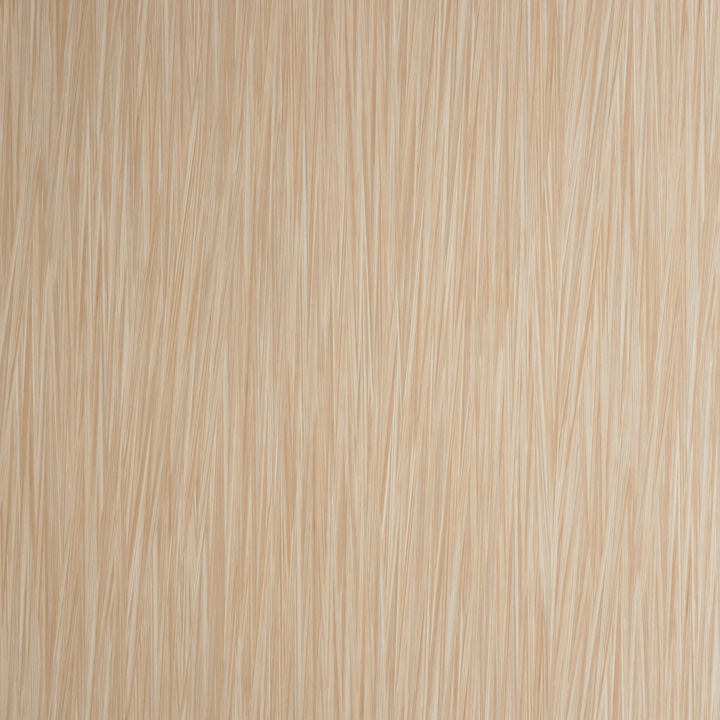
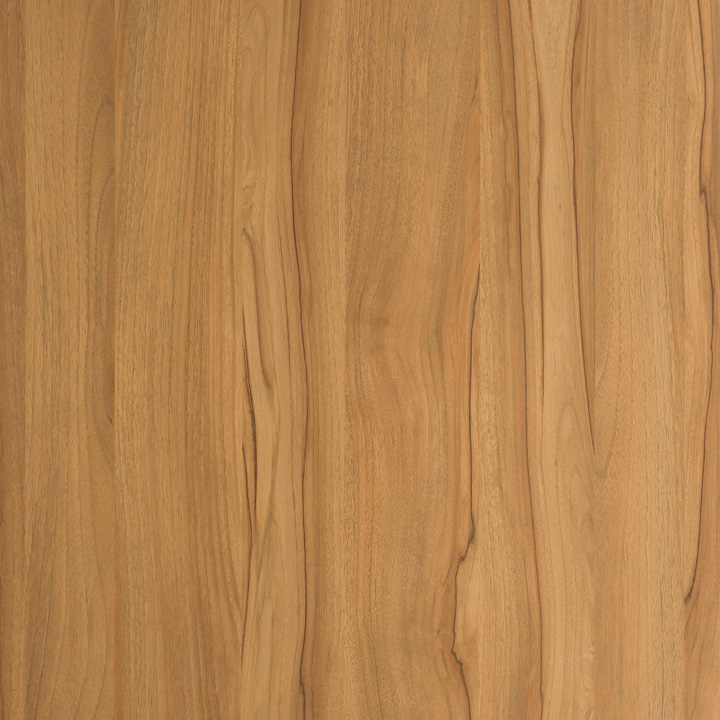
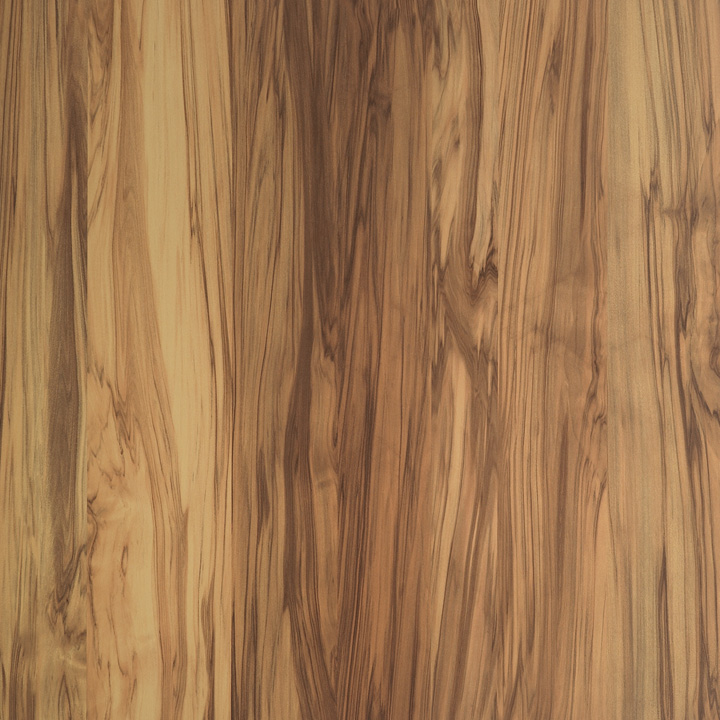
Warm antique white tone with subtle nuance (available in 8029 Ivory & 5302 Pearl variants)
Matte or gloss finish options to complement traditional and contemporary designs
Excellent color consistency across production batches
Scratch and impact-resistant surface (tested to EN 438 standards)
Moisture resistance: ≤0.8% water absorption (EN 317)
UV stability: ≤3 ΔE color shift after 2,000+ hours QUV testing
Fire Rating: B-s1,d0 (EU) / Class A (ASTM E84)
CARB Phase II and LEED compliant
Low VOC emissions: E1 formaldehyde standard
✅ Hygienic & Easy Maintenance
Non-porous, antibacterial surface (ISO 22196 certified)
Resists stains from common substances including coffee, oils, and chemicals
Easy cleaning with mild detergents
Technical Specifications
| |
|---|
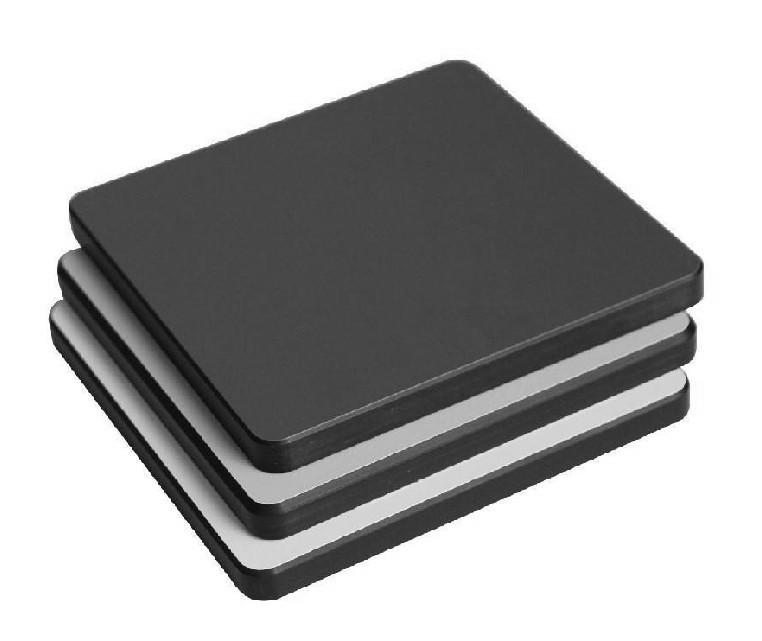
| 0.8–1.5mm (flexible) / 6–25mm (compact) |
| Up to 1525x3660mm (customizable) |
| |
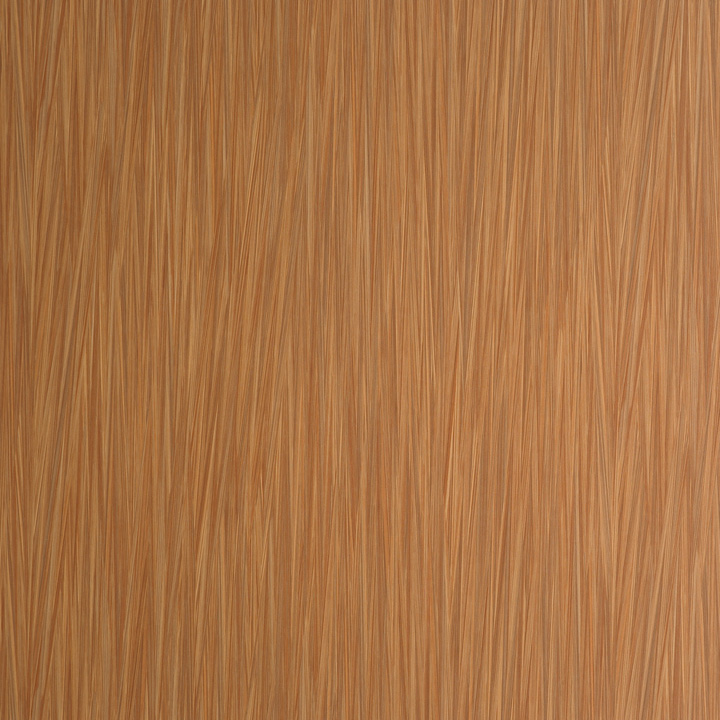
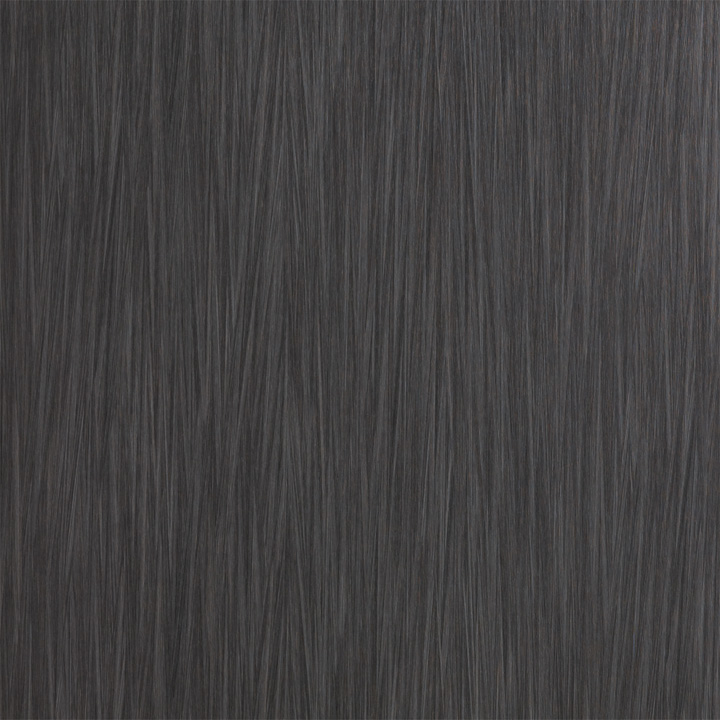
| 8029 Ivory, 5302 Pearl, and other antique white variants |
Applications
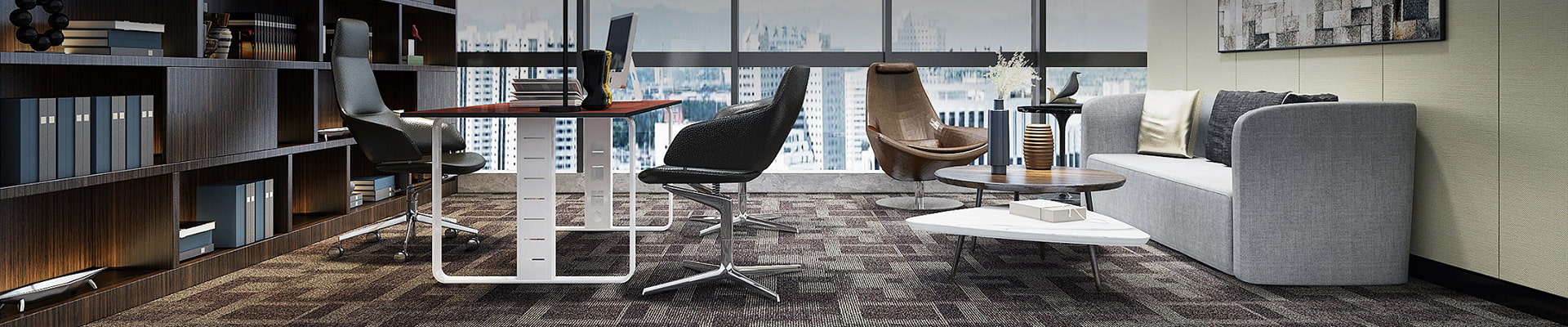
Hospitality: Hotel lobbies, restaurant interiors, and bar fronts
Healthcare: Hospital walls, clinic countertops, and laboratory surfaces
Retail: Store fixtures, display counters, and shopping mall interiors
Residential: Kitchen cabinets, bathroom vanities, and furniture
Institutional: School furniture, museum exhibits, and office interiors
Why Choose Yaming?
20+ Years of Expertise: Trusted by global contractors and designers
Custom Solutions: Tailored sizes, thicknesses, and finishes available
Quality Assurance: Rigorous quality control from raw materials to finished products
Supply Chain Reliability: Bulk order support with competitive lead times
Transform your space with Antique White Solid Color HPL—where classic beauty meets modern durability.Contact us today for free samples and technical data sheets:
WhatsApp: +86-13515255306
✅ Ideal for: Heritage restoration projects, luxury retail spaces, high-end hospitality venues, and premium residential developments
Clearance
Cleaning Tips for Laminate: To clean the surface, use a damp cloth or sponge and a mild soap or detergent. Rinse thoroughly with warm water and wipe dry. Difficult stains such as coffee or tea can be removed using a mild household cleaner and baking soda; mixing to achieve a paste consistency. Use a stiff nylon bristle brush, scrubbing (approx. 15-20 strokes) the affected area. Do not scrub so as to mar (damage, scratch) the surface finish. Stubborn stains that resist any of the above cleaning methods may require the use of undiluted household bleach or nail polish remover. Use a cotton ball saturated with bleach or nail polish remover (acetone), gently rub the stain for up to two minutes. Rinse thoroughly with warm water and wipe dry using a soft cloth. This step may be repeated if the stain appears to be going away and the color of the laminate has not been affected.
Warning
Prolonged exposure of the laminate surface to bleach will cause discoloration. Always rinse laminate surfaces after cleaning! Failure to rinse after cleaning can cause damage; even if a small amount of cleaning solution remains on the surface. A dry residue may be invisible; however, moisture from cups or drinks can reactivate it, and result in permanently etched scars or stains over time. Hot pans and heat-producing appliances (such as electric skillets), when set directly upon countertops, can mar the product's beauty. Always use a heat shield, hot pad or trivet.
A Few Notes of Caution
Acidic or abrasive cleaners can damage laminate surfaces; do not use them. Drain cleaners containing lye will permanently damage the laminate surface. If you spill a drain cleaner, wipe it up immediately and rinse several times with water. Hair, textile and food dyes can cause permanent stains. If dye should happen to spill, wipe it up immediately with dishwashing detergent or an all-purpose cleaner. Do not work with oven cleaners on an unprotected countertop. Wipe spills away promptly and rinse several times with water. Rust removers contain harsh chemicals, which will quickly cause permanent damage. If a spill occurs, wipe off all residue immediately, wash thoroughly with soapy water and rinse several times. Steel wool and other abrasive pads will damage the laminate face. Do not use them for cleaning and don’t store steel wool pads on your countertop; the metal can rust and leave stains. Toilet bowl cleaners contain harsh chemicals that can cause permanent damage. If spills occur, wipe up immediately, wash surface with soapy water and rinse several times
nance
Cleaning Tips for Laminate: To clean the surface, use a damp cloth or sponge and a mild soap or detergent. Rinse thoroughly with warm water and wipe dry. Difficult stains such as coffee or tea can be removed using a mild household cleaner and baking soda; mixing to achieve a paste consistency. Use a stiff nylon bristle brush, scrubbing (approx. 15-20 strokes) the affected area. Do not scrub so as to mar (damage, scratch) the surface finish. Stubborn stains that resist any of the above cleaning methods may require the use of undiluted household bleach or nail polish remover. Use a cotton ball saturated with bleach or nail polish remover (acetone), gently rub the stain for up to two minutes. Rinse thoroughly with warm water and wipe dry using a soft cloth. This step may be repeated if the stain appears to be going away and the color of the laminate has not been affected.
Warning
Prolonged exposure of the laminate surface to bleach will cause discoloration. Always rinse laminate surfaces after cleaning! Failure to rinse after cleaning can cause damage; even if a small amount of cleaning solution remains on the surface. A dry residue may be invisible; however, moisture from cups or drinks can reactivate it, and result in permanently etched scars or stains over time. Hot pans and heat-producing appliances (such as electric skillets), when set directly upon countertops, can mar the product's beauty. Always use a heat shield, hot pad or trivet.
A Few Notes of Caution
Acidic or abrasive cleaners can damage laminate surfaces; do not use them. Drain cleaners containing lye will permanently damage the laminate surface. If you spill a drain cleaner, wipe it up immediately and rinse several times with water. Hair, textile and food dyes can cause permanent stains. If dye should happen to spill, wipe it up immediately with dishwashing detergent or an all-purpose cleaner. Do not work with oven cleaners on an unprotected countertop. Wipe spills away promptly and rinse several times with water. Rust removers contain harsh chemicals, which will quickly cause permanent damage. If a spill occurs, wipe off all residue immediately, wash thoroughly with soapy water and rinse several times. Steel wool and other abrasive pads will damage the laminate face. Do not use them for cleaning and don’t store steel wool pads on your countertop; the metal can rust and leave stains. Toilet bowl cleaners contain harsh chemicals that can cause permanent damage. If spills occur, wipe up immediately, wash surface with soapy water and rinse several times