

What is the material of HPL?
 Jul 11, 2025|
 View:1127
When selecting surfaces for countertops, commercial spaces, or furniture, HPL (High Pressure Laminate) stands out for its durability and authentic textures. But what exactly is HPL made of? How does it replicate natural wood so flawlessly? This guide breaks down the science behind HPL in simple terms, empowering your material decisions.
1. Composition: The Three-Layer Science
HPL is a composite material fused under heat and pressure, consisting of three critical layers:
① Decorative Layer
Material: Melamine-impregnated decorative paper
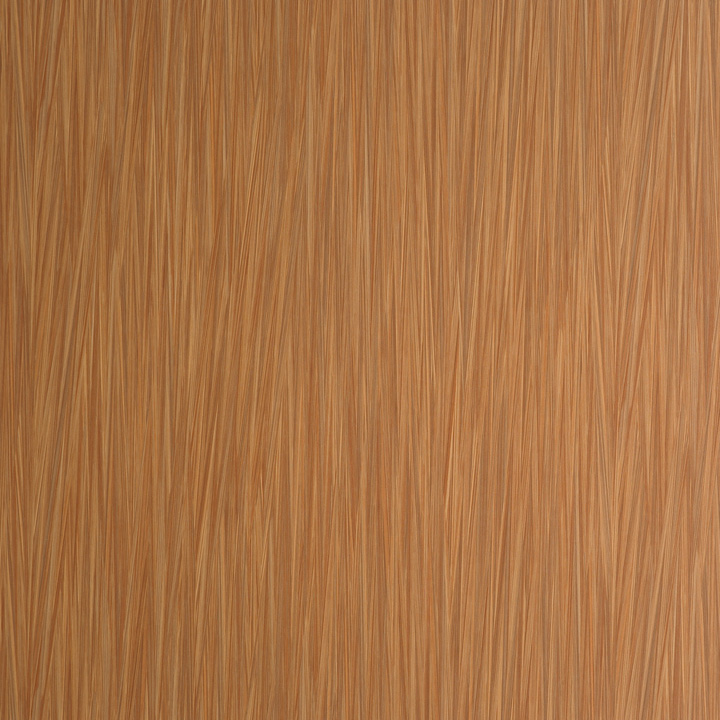
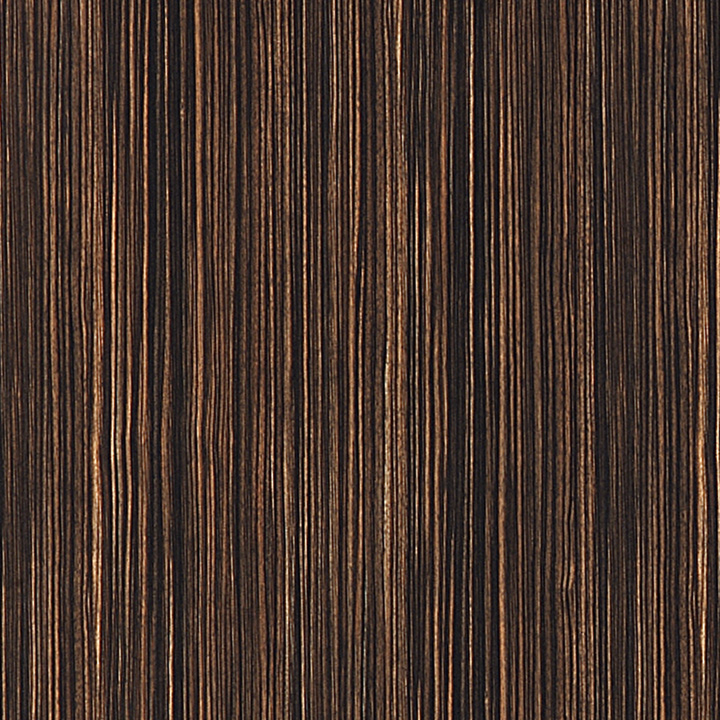
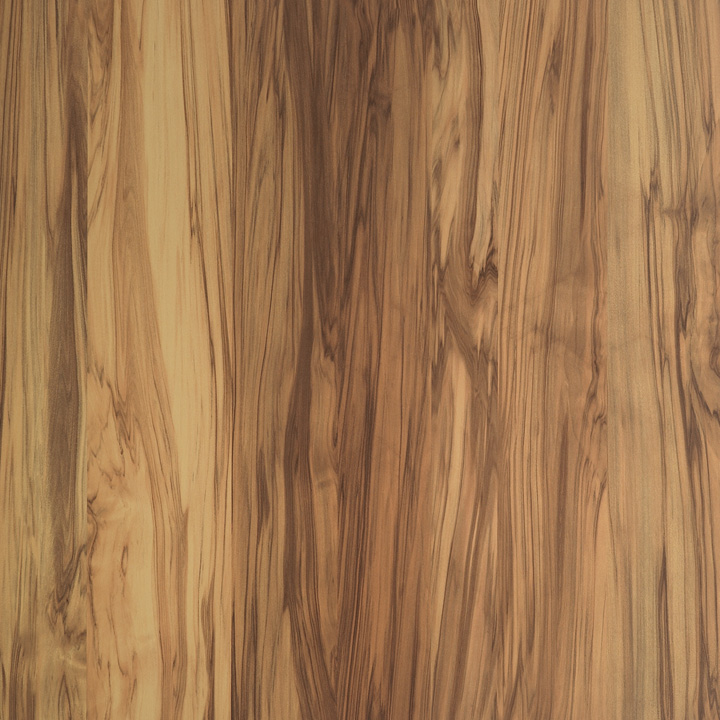
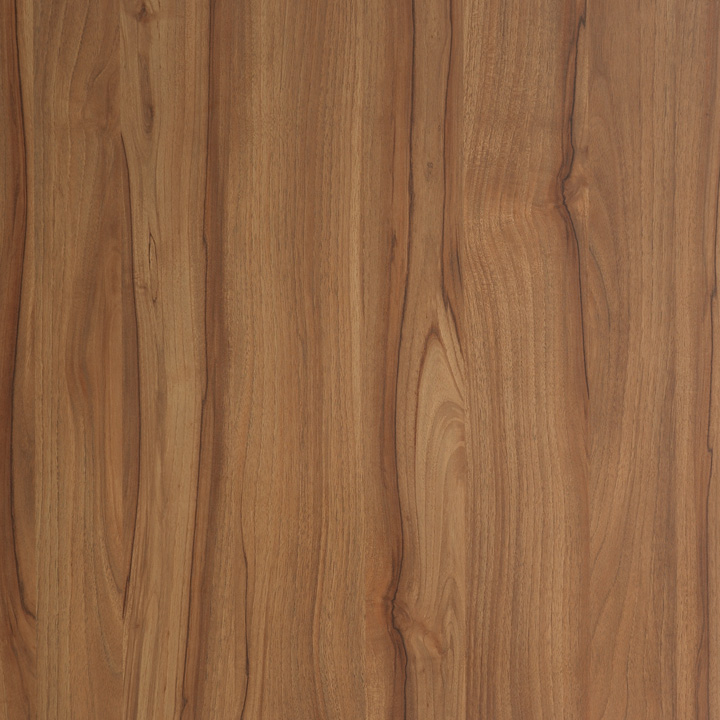
Function: Provides wood, stone, or abstract patterns. hpl woodgrain technology precisely mimics oak, walnut, and other natural grains.
② Core Layer
Material: Multiple layers of phenolic resin-soaked kraft paper
Function: Delivers impact resistance and stability – the backbone of hpl wooden sheet performance.
③ Balancing Layer
Material: Resin-saturated plain paper
Function: Prevents warping, ensuring wooden hpl sheet remains flat post-installation.
✅ Scientific Essence: HPL = Resin-saturated paper + High-pressure curing. Zero natural wood, superior realism.
2. Manufacturing: How High Pressure Creates Excellence
high pressure laminate wood derives its name from its core process:
① High-Pressure Stage (>1000 PSI)
Fuses layers at 130°C–150°C under extreme pressure
Result: Complete resin curing, creating a non-porous surface.
② Lamination Stage
Continuous roller-pressing ensures seamless bonding
Advantage: Eliminates delamination risks (common in plywood), enabling hpl wood’s waterproof nature.
3. Replicating Wood: Surface Technology Breakthroughs
① hpl woodgrain (Grain Replication Tech)
HD Digital Printing: 1200 DPI scans of real wood grains
3D Embossing: Surface textures align perfectly with printed patterns.
② Why HPL Outperforms Solid Wood
| Property | Solid Wood | wooden hpl sheet |
|---|---|---|
| Wear Resistance | Scratches easily | EN438-certified (>4,000 cycles) |
| Stain Resistance | Absorbs stains | Resists coffee/oil penetration |
| Fire Rating | B2-B3 (Combustible) | Class A (UL94-certified) |
4. Top 5 Reasons to Choose HPL Over Solid Wood
2x Longevity: hpl wooden sheet lasts 15-25 years vs. painted wood surfaces.
Zero Maintenance: Wipe clean – no waxing or polishing.
Eco-Safe: Zero formaldehyde (E0-certified), ideal for schools/hospitals.
Design Freedom: Bends seamlessly for curved applications.
Cost Efficiency: Achieves 200% wood aesthetics at 30% cost.
5. Smart Choice: Partner with a Professional hpl sheet Supplier
HPL quality hinges on raw material purity and manufacturing precision. Substandard sheets (using recycled paper/cheap resins) risk fading/delamination. Always choose ISO 9001-certified suppliers.
Yaming’s Expertise: With 20+ years in HPL R&D, Yaming employs:
German resins + automated press lines
Wear layers ≥0.8mm (2x industry standard)
Custom hpl woodgrain solutions (oak to teak)
Contact Yaming today for tailored wooden hpl sheet solutions → Where technology meets nature’s beauty.