


What should I consider when choosing HPL sheets for cabinetry or wall panels?
 Mar 26, 2026|
 View:680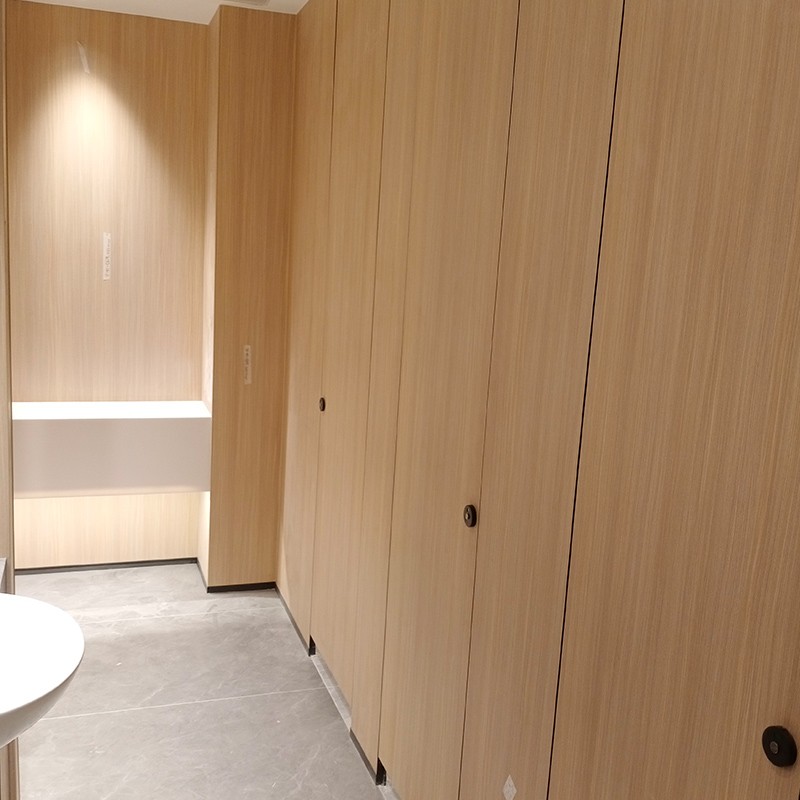
In the world of modern interior design and construction, High-Pressure Laminate (HPL) sheets have become a cornerstone material for cabinetry and wall paneling. Their blend of durability, aesthetic versatility, and practical performance makes them a preferred choice for architects, builders, and homeowners alike. However, with a vast array of options available in terms of thickness, texture, finish, and performance grades, selecting the right HPL sheet can be a daunting task. A wrong choice can lead to premature wear, maintenance headaches, or a finish that doesn't meet the project's functional demands.
This comprehensive guide is designed to cut through the confusion. We will walk you through the critical factors you must evaluate to ensure the HPL sheets you choose not only look stunning but also stand the test of time in your specific application, whether it's for sleek kitchen cabinets, durable bathroom wall panels, or elegant office partitions.
Key Takeaways
Application Dictates Thickness: The required thickness (typically 3mm to 25mm) is primarily determined by whether the sheet is used for vertical wall cladding, horizontal surfaces, or structural cabinetry components.
Surface Finish is Functional: The choice between matte, gloss, or textured finishes affects not only aesthetics but also slip resistance, ease of cleaning, and ability to hide fingerprints or scratches.
Core Performance is Non-Negotiable: For cabinetry and walls, key performance indicators include moisture resistance, impact resistance, fire rating, and chemical/stain resistance, which vary by product grade.
Proper Specification Prevents Issues: Clearly defining requirements for edge profiles, bonding methods, and environmental certifications (like E1/E0) during the selection phase ensures seamless installation and long-term satisfaction.
Partner with a Knowledgeable Supplier: A reliable manufacturer can provide technical data sheets, samples, and guidance on the best product match for your project's unique challenges.
1. Understanding HPL: More Than Just a Surface
Before diving into selection criteria, it's crucial to understand what HPL is. High-Pressure Laminate is created by saturating multiple layers of kraft paper with phenolic resins and fusing them under high heat and extreme pressure. This process creates a dense, homogeneous sheet that is exceptionally durable. Unlike decorative laminates that require a substrate (like particleboard or MDF), HPL sheets are often self-supporting, especially in thicker gauges, making them ideal for constructing cabinet doors, drawer fronts, and full-height wall panels.
2. Factor 1: Determining the Right Thickness
Thickness is the first and most critical decision, as it directly impacts structural integrity, application suitability, and cost.
For Wall Panels & Vertical Applications: Thinner sheets, typically in the 3mm to 6mm range, are commonly used. They are lightweight, easier to install over large areas, and cost-effective while providing excellent surface protection and a seamless look.
For Cabinetry Doors & Drawer Fronts: A medium thickness of 6mm to 12mm is standard. This provides the necessary rigidity for door panels, prevents warping, and allows for the creation of stylish, durable edges.
For Heavy-Duty Applications & Structural Elements: In scenarios requiring extra robustness, such as laboratory countertop aprons, kick plates, or high-impact wall areas, sheets from 12mm to 25mm are recommended. These can function as solid, self-supporting materials.
Table: Recommended HPL Sheet Thickness Guide
| Application | Recommended Thickness | Primary Consideration |
|---|---|---|
| Decorative Wall Cladding | 3mm - 6mm | Lightweight, cost-effective for large surfaces. |
| Kitchen Cabinet Doors | 6mm - 10mm | Rigidity to prevent sagging, allows for edge profiling. |
| Bathroom & Wet Area Wall Panels | 6mm - 8mm | Balance of moisture resistance and ease of installation. |
| Commercial Partitions & Toilet Cubicles | 8mm - 12mm | Impact resistance, sound dampening, and structural feel. |
| Heavy-Duty Furniture & Work Surfaces | 12mm+ | Maximum durability, load-bearing capacity, and solidity. |
3. Factor 2: Selecting Texture & Surface Finish
The surface finish defines the visual and tactile character of your project. Modern manufacturing offers an extensive palette:
Visual Texture: Options range from solid colors and realistic woodgrains to abstract patterns, metallics, and stone effects.
Surface Texture:
Matte & Gloss: Matte finishes (Y) offer a sophisticated look and hide fingerprints. Gloss finishes (G) enhance light but show smudges.
Textured Finishes: Embossed textures (R, ZF) add depth and grip. Textures can mimic linen (LM), leather (PW), or woodgrain (CM).
4. Factor 3: Evaluating Core Performance Properties
For cabinetry and walls, the sheet must withstand daily life. Key properties include:
Moisture & Water Resistance: Essential for kitchens and bathrooms to prevent swelling and delamination.
Impact & Scratch Resistance: The dense phenolic core resists bumps and abrasion in high-traffic areas.
Fire Safety: Specify Class B or A2 fire ratings where required by code.
Chemical & Stain Resistance: Ensures resistance to oils, cleaning agents, and disinfectants.
Hygiene & Cleanability: Non-porous surfaces prevent bacteria and mold penetration.
5. Factor 4: Considering Installation & Fabrication
How the sheet will be processed influences your choice:
Machinability: High-quality HPL should produce chip-free edges with standard tools.
Bending & Post-Forming: Certain grades can be thermally bent for curved elements.
Edge Detailing: Consider matching edge banding or integrated thick edges.
Adhesive Systems: Use high-performance contact adhesive for a permanent, bubble-free bond.
6. Factor 5: Sourcing from a Trusted Partner
A reliable manufacturer like Yaming provides more than just a commodity:
Technical Guidance: Help translate requirements into correct product specifications.
Consistent Quality: Look for ISO certifications and verifiable test reports.
Customization: Ability to supply non-standard sizes and cut-to-size services.
Sample Availability: Evaluate colors and textures under your project's lighting.
FAQ: Your Top Questions Answered
Q1: Are HPL sheets truly waterproof?Conclusion
Choosing the right HPL sheet is a strategic decision that balances aesthetics, performance, and project logistics. By systematically considering thickness, finish, core properties, installation needs, and supplier capability, you can specify a material that delivers both immediate visual impact and enduring performance.
For over two decades, Yaming has specialized in engineering high-performance HPL solutions. We offer a comprehensive range of thicknesses, a vast library of textures and finishes, and the technical expertise to guide you to the optimal product. Contact us today to discuss your project requirements or request samples to experience the Yaming difference firsthand.